Luxury today is often defined by speed: instant access, same-day delivery, constant availability. But real luxury—the kind that endures—has always been about time. Time to think, to notice, to choose deliberately. In a world built on acceleration, stepping back from technology isn’t rejection. It’s refinement. It’s choosing fewer tools that do more, and using them well.
Notebook and pen: Turn thinking into a slow craft. Writing by hand resists haste; ideas aren’t optimized or erased, they’re shaped. The luxury lies in attention—giving a thought the time it deserves.
Watch: Restores dignity to timekeeping. Without alerts or distractions, checking the hour becomes a quiet ritual. Time is no longer something that chases you; it’s something you carry.
Camera: Invites patience. Instead of capturing everything, you wait. You frame. You decide. The result is fewer images, but better ones—memories made with care rather than abundance.
Paperback book: Perhaps the ultimate luxury. It asks for uninterrupted time and rewards it with depth, presence, and sustained attention in a fragmented world.
Paper map: Rewards awareness over efficiency. Navigation becomes an act of understanding where you are, not just arriving as quickly as possible.
Alarm clock: Protects mornings from intrusion. Waking up without a screen preserves calm, intention, and a gentler entry into the day.
Handwritten letters: Honor effort and intention. They take time to create and carry weight because of it—communication made meaningful through care.
Record player: Unfolds without urgency. Listening becomes an experience rather than background noise, inviting you to sit, stay, and listen all the way through.
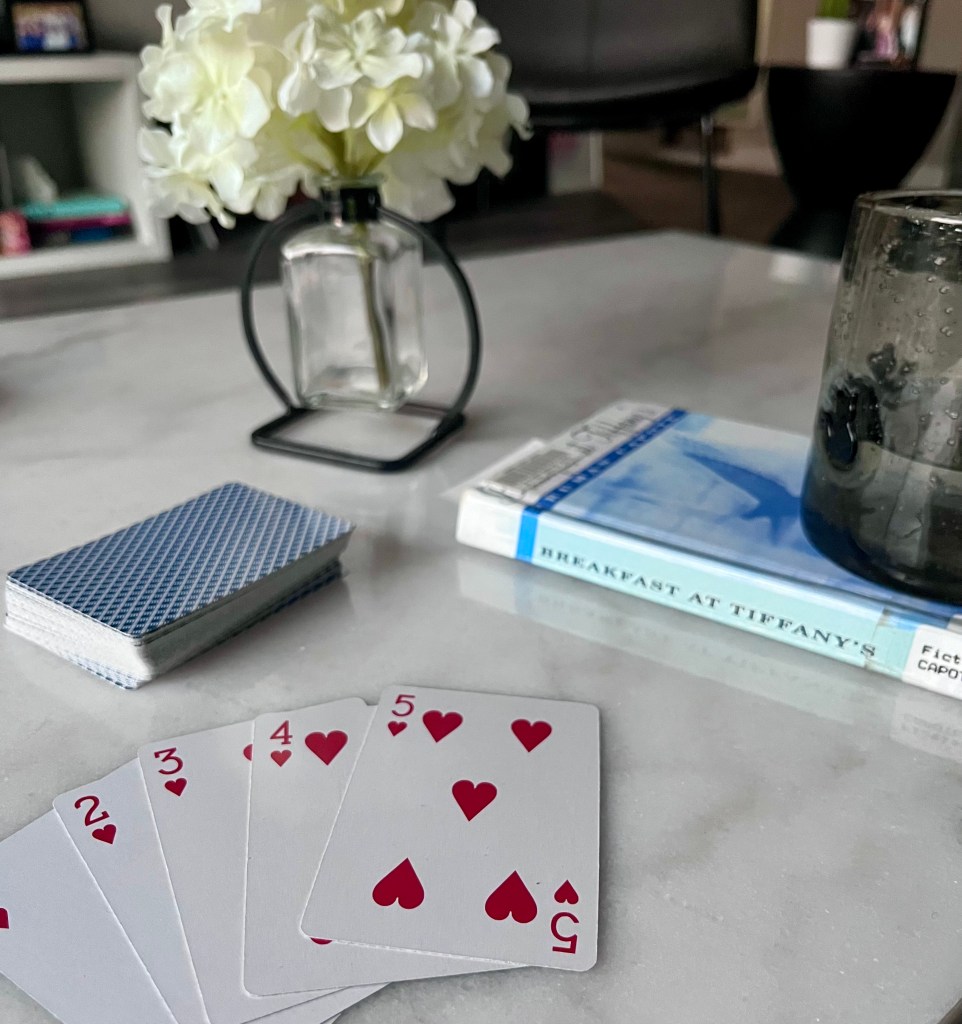
Playing cards: Entertainment without electricity or algorithms. They create shared time, conversation, and presence—luxury through simplicity.
These objects don’t promise speed. They promise quality. They ask you to slow down, and in return, they give you something increasingly rare: the ability to enjoy the moment. True luxury isn’t about having more. It’s about needing less—and taking the time to enjoy it. Going back isn’t regression. It’s discernment. A conscious choice to live at a pace where meaning has room to emerge.
 The Ellevated Edit
Leave a comment